Care guide
Keeping your dwarf jade happy
For past attendees and the curious. Good news: dwarf jades are forgiving. You may also hear them called elephant bush, or by their scientific name, Portulacaria afra. Around our house, we just call them ports.
01
The one thing to get right
Water thoroughly, until it drains completely out the bottom. Then let it dry out.
It isn't about whether the soil feels dry. It's the full soak, then the wait.
Bonsai hate wet feet. Never let the roots sit in water. Dwarf jades store water in their stems and leaves, so they can wait.
02
The leaf snap test
Not sure whether it's time? Snap a leaf in half.
- Firm and wet inside
Hydrated. Wait.
- Limp and dry inside
Time to water.
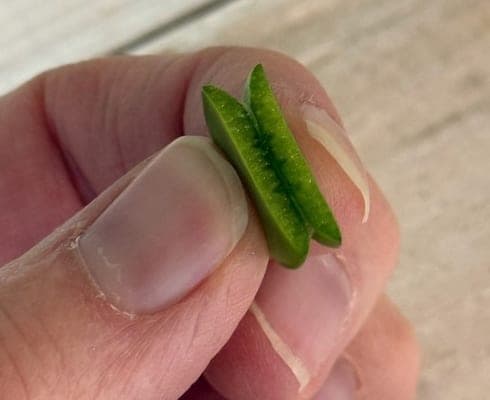
Wait
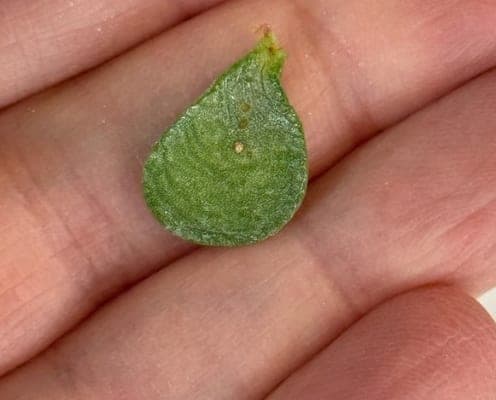
Water
03
Light, and where to keep it
Dwarf jade (Portulacaria) can live indoors year-round in Central Utah. That's a real advantage over outdoor bonsai here.
Give it a bright spot by a window.
04
Seasons, paced
Summer is the faster growth season.
Your tree can go outside for the warm months, and it can take the higher temperatures.
Fall and winter are slower. Not dormant, just paced.
Bring it indoors for Utah winters.
05
Growth stages
We label every tree by stage, from a young plantlet to a multi-year established tree.
- Plantlet
First Branch
The propagated cutting, just beginning its journey
- Year 1
Sprout
Still establishing, learning to grow
- Year 2
Sapling
Developing character, early training visible
- Year 3
Young Tree
Clear style emerging, recognizable form
- Year 4
Established
Mature enough to show refined technique
Grow at your own pace.
06
Our soil
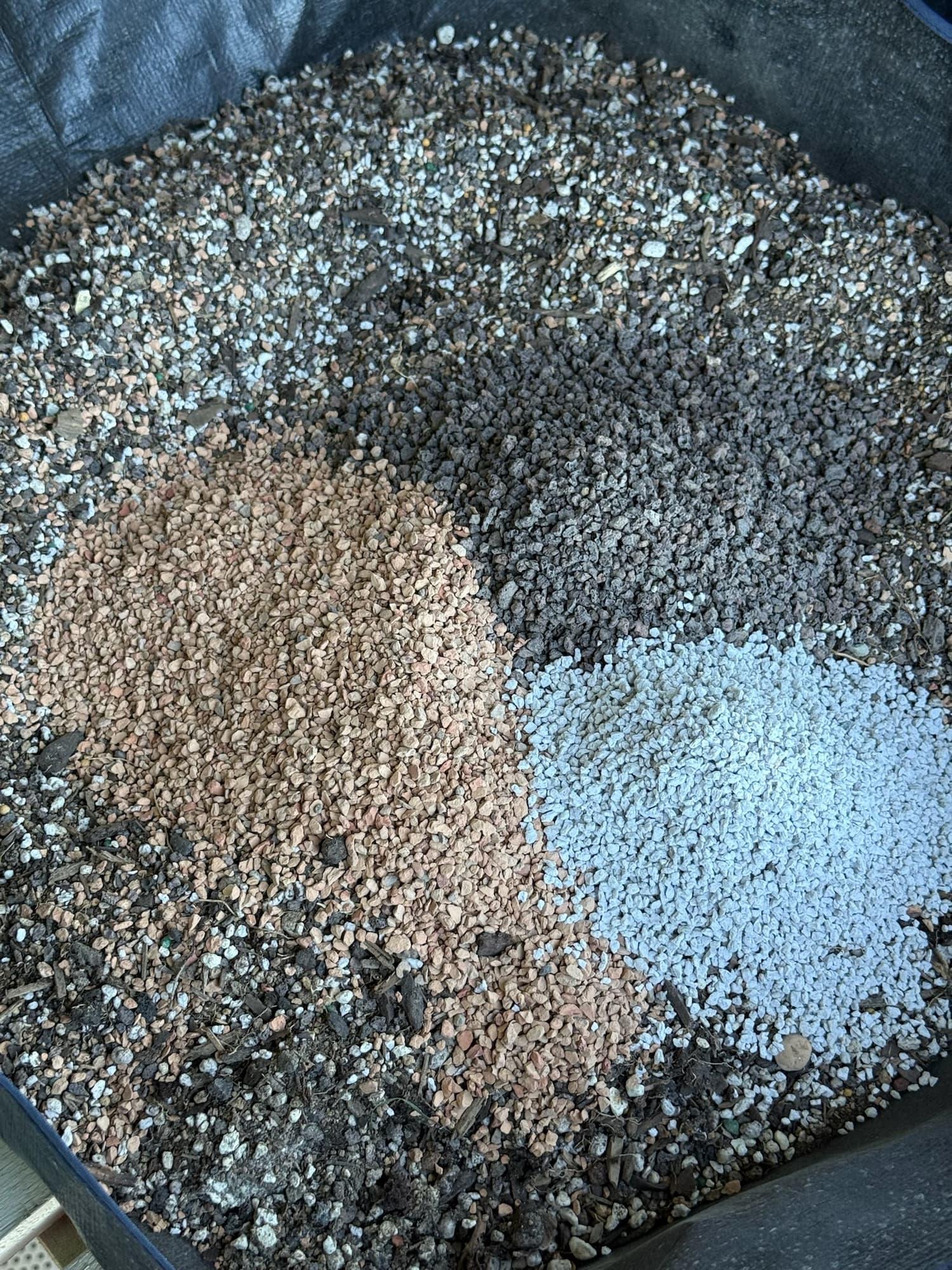
It's our own custom mix, engineered to hold just enough moisture without staying soggy.
What goes into it:
- Lava rock
- Akadama clay
- Pumice
- Vermiculite
- Pine bark fines
07
When to come back
Six to nine months after your workshop, come back for a return shaping session. We'll shape and train your tree together.
Questions about your tree?
Write us at plants@zionbonsai.com.
Come grow with us.
Book a workshop